
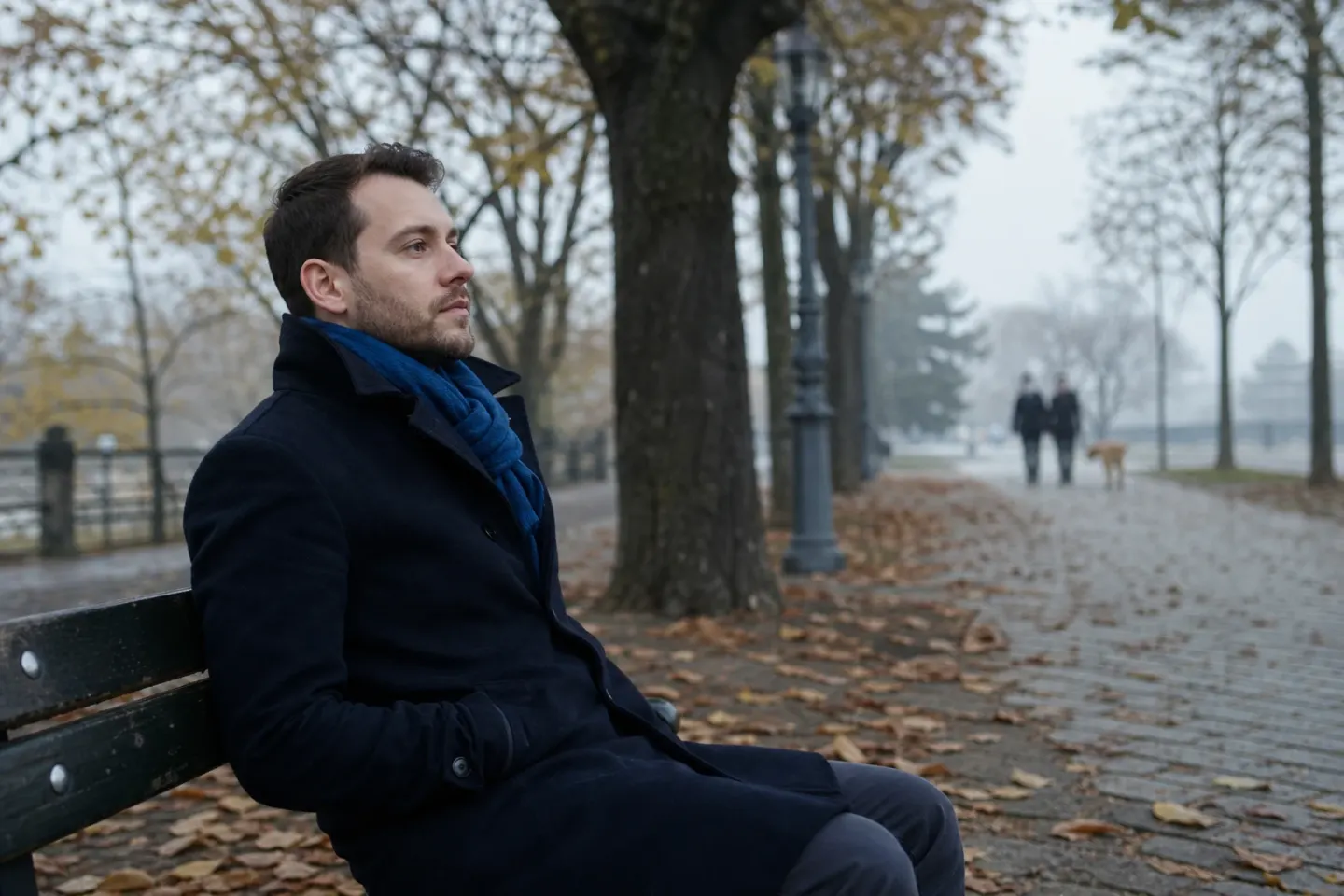
Feeling emotionally numb, as if you feel nothing, can’t enjoy anything and can’t feel close to anyone, is usually a sign that something is weighing on you, not a sign that you are broken. Common causes include depression, long-term stress or burnout, trauma and side effects of medicines; alcohol, drugs, poor sleep and isolation are worth checking too. Often more than one is involved. If it has lasted more than a couple of weeks, it deserves attention, and most of these causes can be treated.
If you are having thoughts of harming yourself or ending your life, get help now: in the UK call 999 or Samaritans on 116 123; in the US call or text 988; elsewhere, call your local emergency number or a crisis line.
Evidence strength: stronger for depression, trauma and antidepressants as recognised causes of numbness; developing for how common emotional blunting on antidepressants is; mixed for cannabis; early for any link with porn use, which comes from small qualitative studies. The stories below are lived experience.
What does it mean to feel emotionally numb?
It can mean:
- Flat. Good and bad news land the same.
- No pleasure. Music, sport, food or friends no longer give anything back. In research this is called anhedonia. The NHS lists “not getting any enjoyment out of life” among the symptoms of depression. NHS: symptoms of depression.
- Detached. You feel like you are watching your life from behind glass, or like a robot going through the motions. The NHS describes “feeling disconnected from yourself and the world around you” as dissociation, one of the possible symptoms of PTSD. NHS: PTSD.
In a relationship, “I love you” can start to sound hollow and closeness can feel like a task.
Is it anhedonia?
Anhedonia is the clinical word for losing the ability to enjoy things you used to enjoy. It describes a symptom, not a diagnosis: the NHS lists “not getting any enjoyment out of life” among the symptoms of depression, and several of the causes below can bring it on. NHS: symptoms of depression. If you searched “I don’t enjoy anything anymore”, the rest of this page is written for you.
Why can’t I feel anything or enjoy anything anymore?
- Depression. It is not always sadness. NHS symptoms also include “having no motivation or interest in things”, feeling irritable, lack of energy and avoiding friends. NHS. If low mood and porn feel tangled together, see porn and depression.
- Burnout and long-term stress. The WHO describes burnout as the result of chronic workplace stress, marked by exhaustion, “increased mental distance from one’s job” or cynicism, and feeling less effective. WHO.
- Trauma. After a frightening or distressing event, the NHS notes that some people find it hard to control their emotions or do not experience emotions at all, sometimes months or years later. NHS: PTSD.
- Medicines. The NHS lists feeling “emotionally numb” among the common side effects of antidepressants. NHS: antidepressants. In an online survey of 669 people taking antidepressants for depression, Goodwin and colleagues found that 46% reported emotional blunting (52% of men, 44% of women). Because blunting also tracked depression scores, the authors concluded it is partly a symptom of depression, not only a side effect. Two of the four authors worked for the drug company Servier. Read the study.
- Cannabis. The evidence is mixed. A systematic review found more anhedonia in adolescent users and some signs of apathy in young adult users, though not consistently across study types. Skumlien and colleagues. A later study by the same team found no more apathy in teenage and adult users (3 to 4 days a week) than in non-users, and slightly less anhedonia. Read the study.
- Sleep and isolation. If tiredness is the main problem, see always tired and foggy; if you have few people around you, start there.
Emotionally numb but not depressed?
That is possible. Burnout, trauma and medication can all bring numbness without the sadness people expect from depression. Depression can also creep up: the NHS notes that it often comes on gradually and that many people “try to cope with their symptoms without realising they’re unwell.” NHS. A GP can help you sort out which it is.
When should I see a doctor?
Call 999 or go to A&E now (988 or 911 in the US) if you are in danger or do not feel you can keep yourself safe. NHS: antidepressants.
Speak to a doctor the same day (in the UK, your GP or NHS 111) if:
- you have thoughts of suicide or self-harm, even without a plan; Samaritans (116 123) can talk in the meantime;
- you recently started an antidepressant and have these thoughts: the NHS advises speaking to your doctor straight away.
Book a GP appointment if:
- you have felt this way most of the day, every day, for more than 2 weeks (NHS);
- the numbness began after a traumatic event, or comes with flashbacks, nightmares or constantly looking out for danger (NHS: PTSD);
- it started after you began, changed or stopped a medicine;
- you often feel detached from yourself, or as if things are not real;
- you are drinking or using drugs to get through the day;
- you have stopped seeing people, working or looking after yourself.
If you take an antidepressant, do not stop or change it on your own. The NHS warns against stopping suddenly and notes that coming off can itself cause feeling “emotionally numb or like things are not real.” NHS: antidepressants. Tell your prescriber about the numbness; they can discuss other treatment options with you.
For PTSD, the NHS describes trauma-focused CBT and EMDR. NHS: PTSD.
Emotionally numb and low libido?
Depression and antidepressants can affect both. The NHS lists low sex drive as a symptom of depression, and low sex drive, orgasm and erection problems as possible antidepressant side effects. NHS: depression, NHS: antidepressants. Mention both to a doctor at the same appointment. For other causes, see low libido in your 20s.
The cause people rarely check: porn as an off-switch
For most people this is not the explanation. For some, porn has become the easiest way to feel something, or to feel nothing for a while.
In Ince and colleagues’ qualitative study of 67 people (mostly men) who saw their porn use as a problem, participants described low pleasure, lethargy and lost motivation after heavy use; some said using porn to ease low mood or loneliness made it worse. Distress about the habit and lost sleep may explain part of this, the authors note, and the data cannot show cause. Read the study. The 13 men interviewed by Hanseder and Dantas, who considered their use an addiction, described porn as an escape from negative emotions or boredom. Read the study.
If you keep watching though it no longer feels good, wanting and liking may have come apart; if it mostly appears when feelings get hard, see porn as a way to cope.
A short self-check:
- Is porn the one thing you still look forward to?
- Do you reach for it mainly when you feel empty, bored, stressed or low?
- Do you feel flatter in the hours or the day after a long session?
- Is cutting back harder than you thought it would be?
If several answers are yes, look at your habits as well as the causes above, not instead of them. This is not a diagnosis; for more, see when porn use becomes problematic.
What people describe
These are personal experiences, not evidence of what happens to everyone.
Josh, 30, describes years of depression alongside heavy porn use: “you feel as if you’re shut inside an aquarium, nothing moves you.” Four weeks after stopping, he writes, “I’m slowly starting to feel,” while adding, “It’s still a bit flat.” Read his story. Content warning: depression, suicidal thoughts, sexual descriptions.
Pablo, 27, was exhausted at work and after it. “My old interests stopped giving me any joy,” he writes. Read his story. Content warning: explicit sexual material and fetishes, suicidal thoughts.
Nico describes family hardship, a crushing disappointment at university and all-night porn sessions: “I became cold and unfeeling.” Several things were going on at once. Read his story. Content warning: a parent’s alcoholism, anxiety, low mood, sexual references.
A 30-day experiment, alongside care
If the self-check sounded familiar, spend 30 days noticing what changes. It is not a cure or a replacement for treatment. If your mood drops or dark thoughts appear, pause and get help.
- Book the appointment first if any of the signs above apply, and keep taking any prescribed medicine as agreed with your doctor.
- Keep a two-line log each evening: one moment you felt something, even briefly, and whether you slept, drank or watched porn.
- Add friction. Use your phone’s built-in restrictions and leave it outside the bedroom at night.
- Put back one thing that used to matter: a sport, an instrument, a weekly call with a friend. Do it even if it feels flat at first.
At the end, read your log. Did the flat days follow poor sleep, drinking, long sessions, or none of them? Bring your notes to a GP or therapist either way. If stopping porn left you feeling flatter for a while, see porn withdrawal symptoms.


No published comments yet.